
How do prices affect consumption?
In the world of pricing, what matters is not only how much is sold, but how much of what was sold is actually consumed. Although it may seem that higher sales volume automatically translates into higher consumption, the reality is different. And this matters because the effective consumption of a product or service has a direct impact on future purchases.
PSYCOLOGICAL PRICING
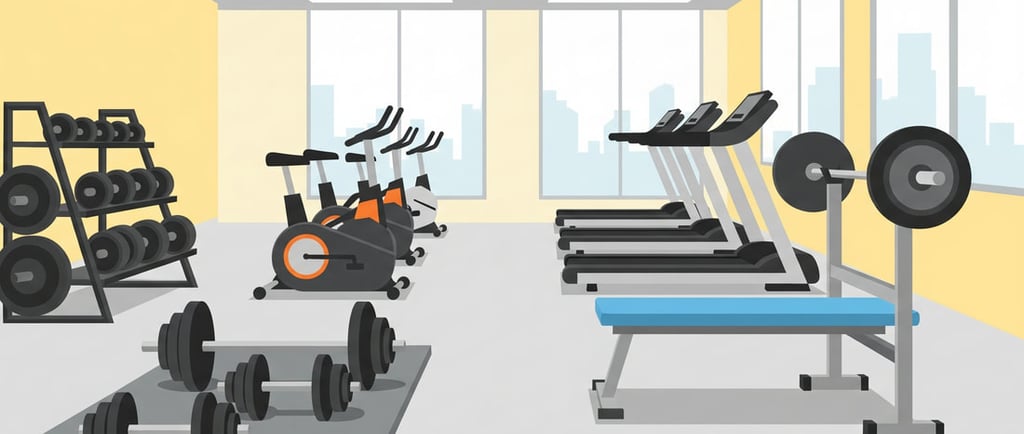
When a customer buys something but does not use it, the likelihood of repurchasing decreases significantly. This behavior can be seen in magazine subscriptions, gyms, streaming services, or software. If the consumer does not use the product or service, they will hardly renew their purchase or subscription.
This is why getting the customer to consume what they buy is just as important as getting them to buy in the first place.
The role of “perceived cost”
People tend to consume more when they are aware of the cost associated with the product or service. This cost perception works as a “reminder” that an investment has already been made, which drives the use of the purchased good to avoid the feeling of waste.
This is why the way prices are presented can influence consumption. It is not just about the absolute value, but about the timing of the payment and how it is communicated.
Upfront or recurring payments?
A general rule is that the closer the payment is to the moment of consumption, the greater the awareness of the cost, and therefore, the higher the probability of usage.
A study with gym members showed that those who paid monthly fees attended more regularly throughout the year, while those who made a single annual or semi-annual payment tended to attend only in the months following the payment. Recurring payments kept the investment top of mind, which encouraged use and, ultimately, improved renewal rates.
The effect of bundling
Bundling also has implications. Although it is useful to attract price-sensitive customers, it can harm consumption if not designed correctly.
When several products or services are grouped under a single price, visibility of the individual value of each element is lost. As a result, consumers do not feel remorse for not using part of the bundle. For example, someone who buys a season pass to attend all games may end up attending only a few, because they do not perceive the individual cost of each ticket.
This also has side effects: lower attendance means lower revenue from complementary services such as parking or food.
The solution is not to eliminate bundling, but to design it so that the customer perceives how they are using their investment. Showing the “balance” of events attended, sending reminders, or providing a visual breakdown of usage can help keep consumer participation active.
Conclusion
Consumption is not an automatic consequence of purchase. It depends on psychological factors related to price: the timing of payment, cost clarity, and bundle design.
Understanding how these factors influence consumer behavior allows companies to design pricing strategies that not only sell more, but also foster more durable and profitable relationships.
©2026, prexus pricing solutions
[email protected] | +57 (604) 204 3151
Cra 43A No. 1-50, Torre 1, Piso 6
Medellín, Colombia
Legal
Personal data processing policy
Terms and conditions
Information security policies